
Easy Cornflour Chapati (Makki Roti) – Soft & Delicious Indian-Style Recipe
Learn how to make soft and delicious Cornflour Chapati (Makki Roti) at home with this easy beginner-friendly recipe. Simple ingredients and step-by-step tips for perfect chapati every time.
Introduction
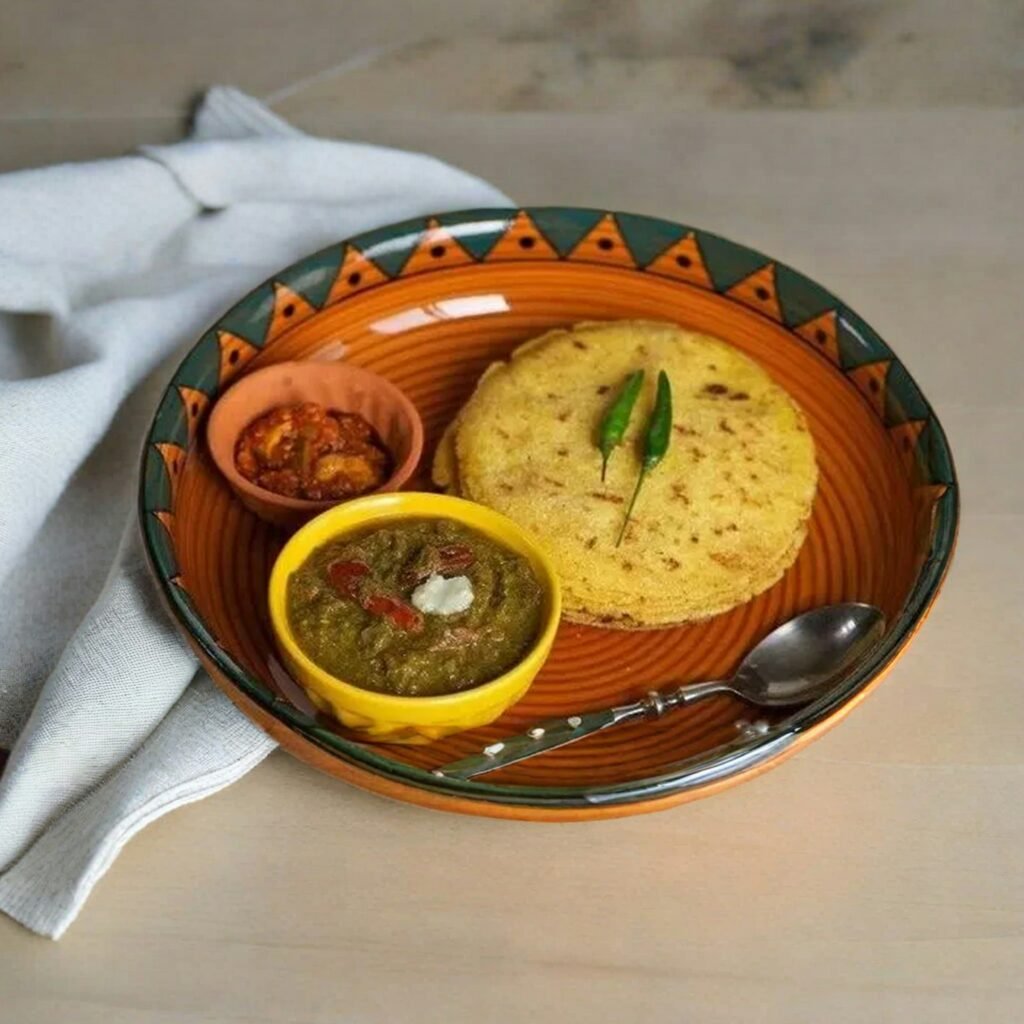
If you have ever sat down to a plate of hot mustard greens and butter, chances are there was a thick, golden roti sitting right beside it. That roti is makki roti, and it is one of the most comforting breads to come out of Punjabi kitchens. This cornflour chapati recipe is our attempt to bring that same warmth to your table, whether you grew up eating it or you are trying it for the first time.
Cornflour chapati has a reputation for being tricky. The dough does not behave like wheat dough, it can crack when you roll it, and it can fall apart before it ever reaches the pan. But once you understand a few simple tricks, making soft makki roti at home becomes a lot less intimidating. This guide walks you through everything, from mixing the dough to keeping your rotis soft long after they leave the tawa.
What Is Cornflour Chapati (Makki Roti)?
Makki roti is a traditional flatbread made from makki ka atta, which is coarsely ground yellow corn flour. In Punjab, it is a winter staple, often served during the harvest season alongside sarson ka saag (mustard greens curry) and a generous knob of white butter.
It is worth clearing up a common mix-up here. In the UK and US, "cornflour" usually refers to cornstarch, a fine white powder used for thickening sauces. That is not what goes into this recipe. What you actually need is corn flour or cornmeal, the coarser, pale yellow flour milled from whole dried corn, sometimes labelled maize flour. If you are shopping outside South Asia, look for it in Latin American, Mexican, or Indian grocery stores, where it may be sold as "masa harina" (a different, treated variety) or plain corn flour meant for tortillas and roti.
Unlike wheat chapati, makki roti has no gluten. That is the main reason it behaves so differently. Gluten is what gives wheat dough its stretch and elasticity, so without it, corn dough is naturally more delicate and needs a gentler hand.
Why You'll Love This Recipe
- It is naturally gluten-free, so it works well for anyone avoiding wheat.
- Only a handful of pantry ingredients are needed, no fancy equipment required.
- The slightly sweet, earthy flavour of corn pairs beautifully with butter, ghee, or a spicy curry.
- Once you learn the technique, it comes together quickly, in well under 30 minutes.
- It is a proper taste of authentic Punjabi comfort food, made right in your own kitchen.
- This easy makki roti recipe is written specifically with beginners in mind, so every step is explained in detail.
Ingredients You'll Need
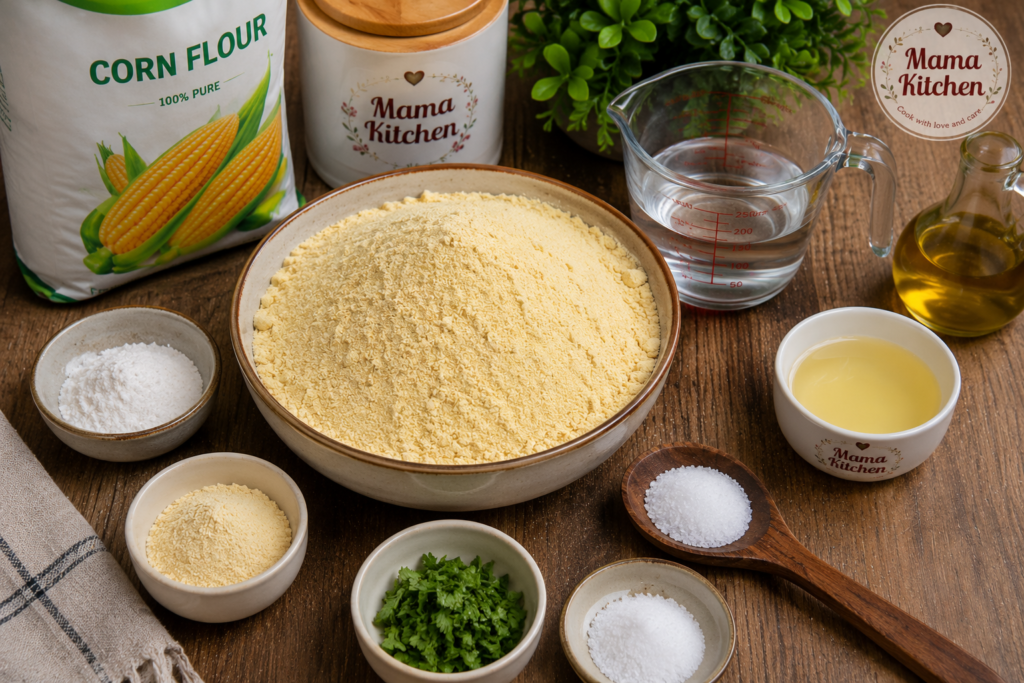
- 2 cups makki ka atta (corn flour/maize flour), plus extra for dusting
- 3/4 to 1 cup warm water (adjust as needed)
- 1/2 teaspoon salt
- 1 tablespoon melted ghee or softened butter (optional, but helps with softness)
- Extra ghee or butter, for cooking and serving
A quick note on why each ingredient matters: warm water helps the corn flour hydrate and bind together, since it has no gluten to hold it. Salt brings out the natural sweetness of the corn. The optional ghee in the dough makes the roti more pliable and easier to roll, and it also helps prevent cracking.
How to Make Cornflour Chapati (Makki Roti)
1. Prepare the Dough
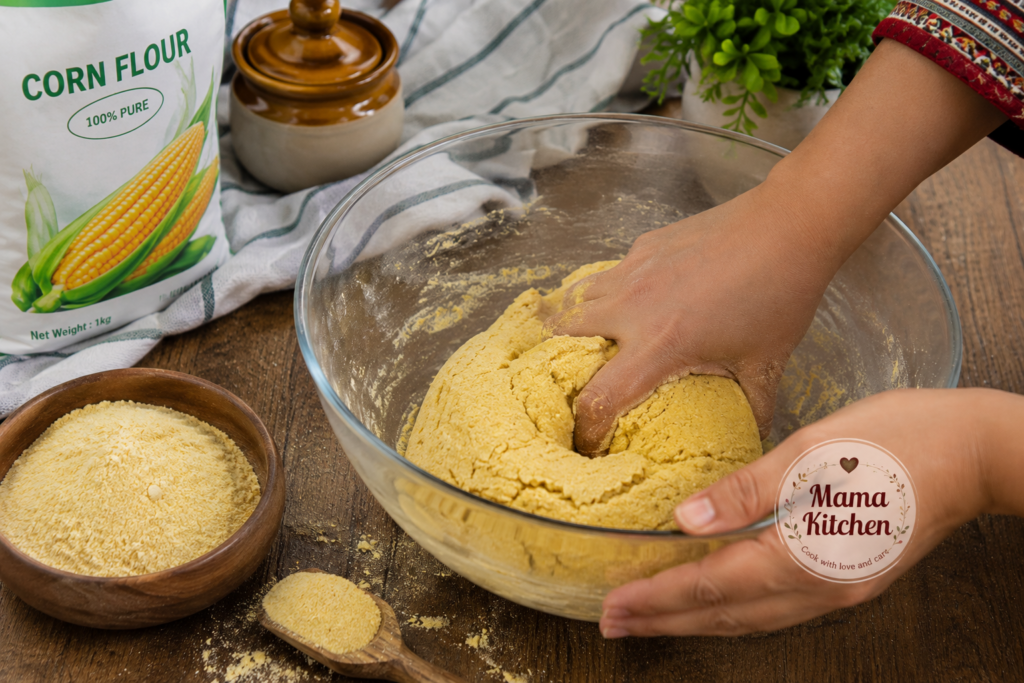
Add the makki ka atta and salt to a large mixing bowl. Slowly pour in the warm water, a little at a time, mixing with your fingers as you go. Add the melted ghee if using. Keep working the mixture until it comes together into a soft, slightly sticky dough. Do not add all the water at once, since different brands of corn flour absorb liquid differently.
2. Let the Dough Rest
Cover the dough with a damp cloth or cling film and let it rest for 10 to 15 minutes. This short resting time allows the flour to fully absorb the water, which makes the dough noticeably easier to handle and less likely to crack when rolled.
3. Shape the Roti
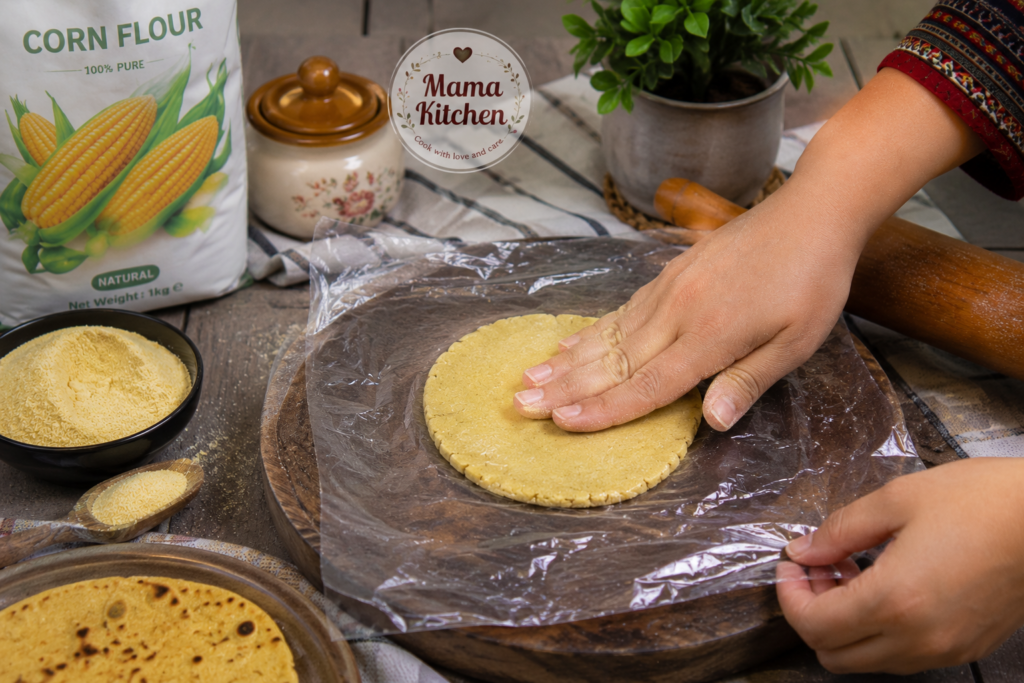
Divide the dough into equal portions, about the size of a golf ball. Because this dough has no gluten, rolling it out with a pin can be frustrating for beginners. The traditional method, and honestly the easiest one, is to pat the dough flat between your palms, similar to shaping a burger patty.
If you prefer using a rolling pin, place the dough ball between two sheets of greased parchment paper or a lightly dusted plastic sheet. Roll gently from the centre outward, turning as you go, until you have a roti about 5 to 6 inches wide and slightly thicker than a wheat chapati.
4. Cook It on a Hot Tawa
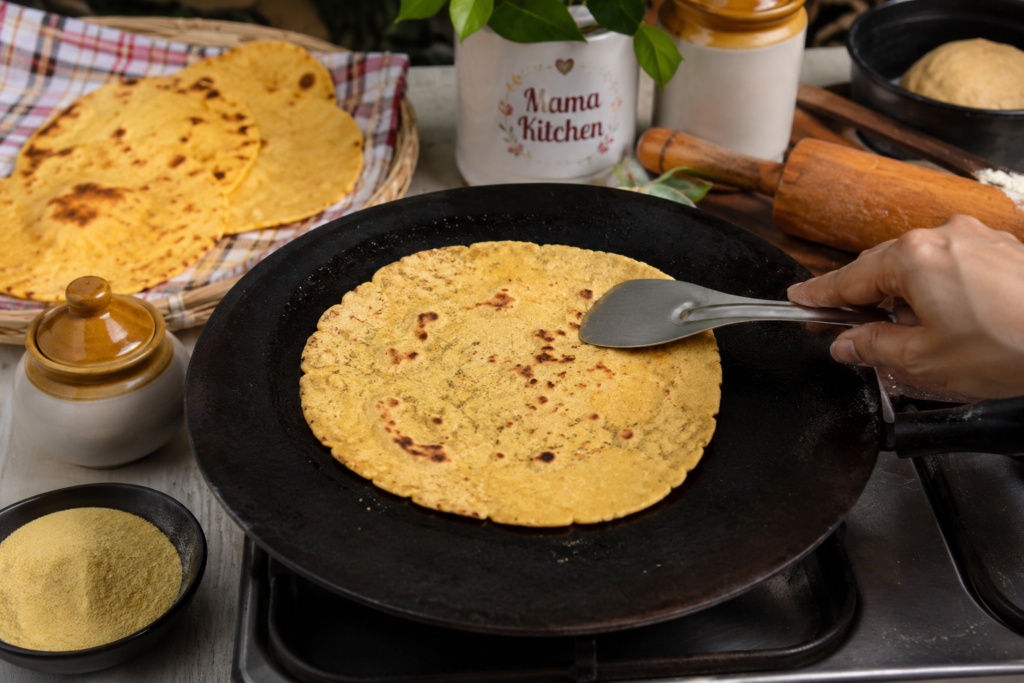
Heat a tawa or heavy flat pan over medium-high heat. Carefully transfer the rolled roti onto the hot surface, using the parchment paper to help lift it if needed. Cook for about 1 to 2 minutes, until you see small bubbles forming and the underside has light golden-brown spots.
Flip the roti and cook the other side for another 1 to 2 minutes. Then, using a clean cloth or tongs, press the roti gently against the pan or a small flame, moving it around, until it puffs up slightly. This step is optional but helps cook the roti through evenly.
5. Check for Doneness
A fully cooked makki roti will have golden-brown spots on both sides and will feel firm, not doughy or wet, when pressed. If the centre still feels soft or sticky, cook it for another 20 to 30 seconds per side.
As soon as it comes off the pan, brush it generously with ghee or butter. This is a key step in traditional Punjabi cooking and it makes a real difference to both the flavour and the texture.
Tips for Making Soft Makki Roti
- Use warm, not hot, water. Warm water helps the flour bind better than cold water, but water that is too hot can start cooking the flour and make the dough gummy.
- Aim for a soft, pliable dough. It should hold its shape but still feel slightly tacky, similar to playdough. A dry, crumbly dough is the most common cause of cracked roti.
- Prevent cracks by keeping the dough covered. Corn dough dries out fast when exposed to air, so keep any dough you are not using covered with a damp cloth while you work.
- Pat, don't roll, if you are new to this. Shaping the dough by hand between your palms is far more forgiving than using a rolling pin, especially for your first few attempts.
- Cook on medium-high heat. Too low, and the roti will dry out before it browns. Too high, and the outside will burn before the inside cooks.
- Butter is your best friend for softness. Brushing hot roti with ghee or butter immediately after cooking locks in moisture and keeps it soft for longer.
Common Mistakes to Avoid
The dough keeps cracking while shaping. This usually means the dough is too dry. Wet your hands slightly and knead in a little more warm water until it becomes pliable again.
The roti falls apart when you try to flip it. This often happens if the dough was rolled too thin or if the pan was not hot enough before the roti went on. Make sure your tawa is properly preheated and keep the roti a little thicker than a wheat chapati.
The roti tastes dry or crumbly. This is typically the result of either too little water in the dough or overcooking. Reduce cooking time slightly and be generous with ghee or butter after cooking.
The dough feels too sticky to handle. Add small amounts of dry corn flour, a tablespoon at a time, until it becomes manageable, being careful not to add too much at once.
What to Serve with Makki Roti
The classic pairing is sarson ka saag, a slow-cooked mustard greens curry, along with a dollop of white butter and a sprinkle of jaggery on the side, which is how it is traditionally enjoyed in Punjab.
If you want to branch out, makki roti also works well with:
- Simple dals or lentil curries
- Plain yoghurt and pickle
- A fried egg and some sautéed greens, for a modern twist
- A drizzle of honey and butter, for a lightly sweet breakfast option
Storage and Reheating
Makki roti is best enjoyed fresh off the pan, but leftovers can be stored for later. Let the rotis cool completely, then stack them with a small piece of parchment paper between each one to prevent sticking. Store in an airtight container in the refrigerator for up to 2 days.
To reheat, place the roti directly on a hot, dry tawa for about 30 to 45 seconds per side, then brush with a little ghee or butter. Avoid microwaving if possible, as it tends to make the roti tough and dry rather than soft.
| Nutrient | Per Serving |
|---|---|
| Calories | 185 kcal |
| Protein | 4 g |
| Carbohydrates | 30 g |
| Fat | 6 g |
| Fiber | 3 g |
| Sugar | 1 g |
| Sodium | 210 mg |
Nutrition note: Values are approximate and may vary depending on the ingredients and portion size used.
For more detailed information about the nutrients found in the ingredients used in this recipe, you can also check the USDA .
Frequently Asked Questions
Is cornflour the same as cornmeal? Not quite. In the UK, cornflour usually means cornstarch, a fine thickening powder, while cornmeal and corn flour (maize flour) are the coarser, ground corn products used in this recipe. For makki roti, you need corn flour or fine cornmeal, not cornstarch.
Why does my makki roti crack? Cracking almost always comes down to a dough that is too dry, or a dough that has been left uncovered and has dried out on the surface. Adding a little more warm water and keeping the dough covered while you work usually solves the problem.
Can I make makki roti without a rolling pin? Yes, and many home cooks prefer it this way. Simply pat the dough flat between your palms, the way you would shape a burger patty, until it forms an even round shape.
How do I keep makki roti soft? Brush each roti with ghee or butter as soon as it comes off the pan, and store leftovers in an airtight container rather than leaving them exposed to air.
Can I freeze makki roti? Yes. Stack cooled rotis with parchment paper between each layer, place them in a freezer-safe bag, and freeze for up to a month. Reheat directly from frozen on a hot tawa.
Can I make this recipe ahead of time? The dough is best used fresh, since it can dry out and become difficult to shape if left too long. However, you can cook the rotis in advance and reheat them when needed.
Do I need any special equipment? No. A mixing bowl, a tawa or heavy flat pan, and your hands are really all you need. A rolling pin and parchment paper can help, but they are optional.
At the end i would like tosay always thanks Allah ,whose gives us many things to eat and taste.
👉🔥I hope you may also like
High Protein Cottage Cheese Burrito Bowl
High Protein Greek Yogurt
High Protein Egg Salad Sandwich
High Protein Chicken Wrap
Recipe Card
Cornflour Chapati (Makki Roti)
- Prep time: 15 minutes
- Cook time: 15 minutes
- Total time: 30 minutes
- Servings: 6 rotis
Ingredients
- 2 cups makki ka atta (corn flour/maize flour), plus extra for dusting
- 3/4 to 1 cup warm water, adjusted as needed
- 1/2 teaspoon salt
- 1 tablespoon melted ghee or softened butter (optional)
- Extra ghee or butter, for cooking and serving
Instructions
- Mix the corn flour and salt in a large bowl. Gradually add warm water while mixing, along with the optional ghee, until a soft, slightly sticky dough forms.
- Cover the dough with a damp cloth and let it rest for 10 to 15 minutes.
- Divide the dough into 6 equal balls. Pat each one flat between your palms, or roll it between sheets of parchment paper, into a roti about 5 to 6 inches wide.
- Heat a tawa over medium-high heat. Cook each roti for 1 to 2 minutes per side, until golden-brown spots appear.
- Gently press the roti against the pan until it puffs slightly, then remove and brush immediately with ghee or butter. Serve hot.
Notes
- Keep unused dough covered at all times to prevent cracking.
- If the dough cracks while shaping, wet your hands and knead in a little extra warm water.
- Serve fresh for the best texture, as makki roti firms up as it cools.